Complete AI SEO Checklist for 2026: Drive Rankings with AI Search

AI is no longer “coming” to search — it’s already here.

With platforms like Google, OpenAI, Microsoft, and Perplexity AI reshaping how users discover information, traditional SEO alone is not enough.

In 2026, rankings depend on AI SEO (Generative Engine Optimization – GEO) — optimizing for AI search engines, answer engines, and conversational assistants.

Here is your Complete AI SEO Checklist for 2026 👇

1️⃣ Technical Foundation for AI Crawling

AI systems still rely on clean technical SEO.

Crawlability

  • XML sitemap submitted to Google Search Console
  • Robots.txt optimized (no accidental blocking)
  • Proper canonical tags
  • No orphan pages

Site Speed & Core Web Vitals

  • LCP under 2.5s
  • CLS under 0.1
  • Mobile-first performance
  • Server response < 200ms

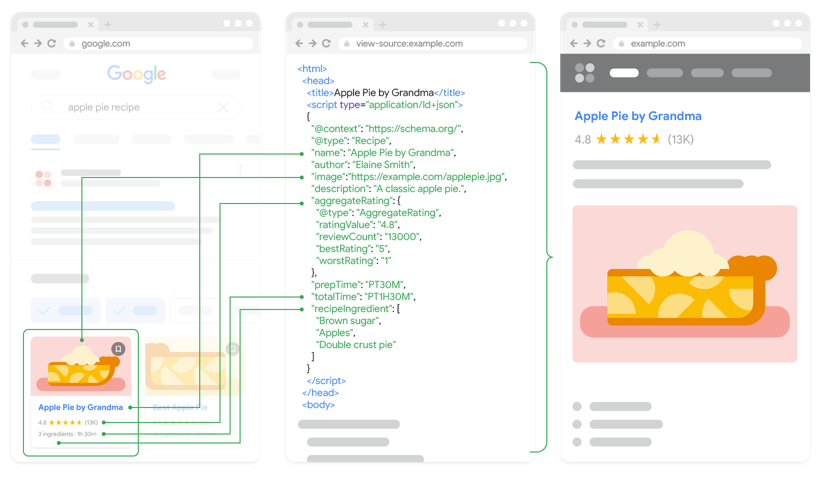
Structured Data (Mandatory in 2026)

Implement:

  • FAQ schema
  • HowTo schema
  • Organization schema
  • Article schema
  • LocalBusiness schema

AI engines prefer structured, machine-readable content.

2️⃣ Optimize for AI Overviews & Generative Search

Google’s AI-powered results (like SGE) prioritize:

  • Direct answers
  • Structured explanations
  • Topical authority
  • Trusted sources

Write Answer-First Content

  • Start articles with a 40–60 word direct answer
  • Use bullet summaries
  • Include definitions

Create “AI Extractable Blocks”

  • Use short paragraphs (2–3 lines)
  • Use H2 & H3 clearly
  • Add comparison tables
  • Add numbered steps

Build Topical Authority

Instead of random blogs:

  • Create topic clusters
  • Internal link properly
  • Cover subtopics deeply

3️ Optimize for Conversational Search

Search is becoming conversational due to AI assistants.

Platforms influencing this:

  • Google Assistant
  • ChatGPT
  • Microsoft Copilot

Target Long Conversational Queries

Instead of:

“AI SEO services”

Target:

“How does AI SEO help businesses rank in AI search results?”

Add FAQ Sections (Crucial)

Minimum:

  • 5–8 FAQs per page
  • Schema markup added

4️⃣ E-E-A-T Optimization (Trust is Ranking Fuel)

Google still values Experience, Expertise, Authority, Trust.

Add:

  • Author bio with credentials
  • Real case studies
  • Client testimonials
  • About page with real company details
  • Updated publish dates

Build Brand Signals

  • Branded search volume
  • Consistent NAP for local
  • Mentions across industry sites

AI engines cite brands they trust.

5️⃣ AI Content Optimization (Don’t Just “Use AI”)

AI-written content alone won’t rank.

Enhance AI Drafts With:

  • Real examples
  • Data
  • Statistics
  • Visual explanations
  • Expert opinions

Remove Generic AI Fluff

Avoid:

  • Repetitive phrasing
  • Overuse of generic transitions
  • Surface-level explanations

6️⃣ Semantic SEO & Entity Optimization

AI understands topics, not just keywords.

Include:

  • Related entities
  • Synonyms
  • Industry terminology
  • Contextual internal links

Use NLP tools to check entity coverage.

7️⃣ Visual & Media Optimization (AI Reads More Than Text)
Optimize Images

  • Descriptive file names
  • Alt text with context
  • Compressed formats (WebP)
  • Add image schema where relevant

Add:

  • Infographics
  • Explainer diagrams
  • Short videos
  • Embedded FAQs

AI extracts meaning from multimedia signals.

8️⃣ Local AI SEO (If You Serve Specific Locations)

For local businesses:

Optimize:

  • Google Business Profile
  • Location pages
  • Local schema
  • Review generation system

AI often pulls from local data sources first.

9️⃣ Build AI Citations & Mentions

In 2026, rankings also depend on whether AI systems “see” your brand across the web.

Get Featured On:

  • Industry blogs
  • Podcasts
  • Business directories
  • News mentions

Digital PR Strategy

Earn:

  • High authority backlinks
  • Brand mentions
  • Interview features

🔟 Monitor AI Search Visibility

Traditional rank trackers are not enough.

Track:

  • AI Overview appearances
  • Brand mentions in AI answers
  • Conversational search visibility
  • Featured snippets

Tools emerging for AI visibility tracking should be part of your stack.

📌 Bonus: AI SEO Content Framework (Practical Structure)

For every service page or blog post:

  1. Direct answer intro
  2. Definition section
  3. Why it matters
  4. Step-by-step process
  5. Case example
  6. FAQs
  7. CTA

This structure maximizes AI extraction and citation probability.

🚀 Final AI SEO Readiness Checklist

Before publishing, ask:

  • Is this page the best answer on the internet?
  • Is it structured for AI extraction?
  • Does it demonstrate real expertise?
  • Would an AI confidently cite this page?

If not — refine it.