
Voice search is no longer a trend — it’s part of everyday behavior.
With smart assistants like Google Assistant, Amazon Alexa, Siri, and Microsoft Copilot, users now speak their queries instead of typing them.
If your SEO strategy isn’t optimized for spoken queries, you’re missing high-intent traffic.
Here’s your complete guide to ranking for voice search in 2026.
🔎 What Is Voice Search SEO?
Voice Search SEO is the practice of optimizing your website so it ranks for spoken, conversational queries asked through AI-powered assistants.
Unlike traditional search:
Typed Search | Voice Search |
“best AI SEO services” | “What is the best AI SEO service for small businesses?” |
Short keywords | Full questions |
Fragmented phrases | Natural language |
Low context | High intent |
Voice queries are:
- Longer
- More conversational
- Often location-based
- Frequently question-based
📊 Why Voice Search Matters
- Over 50% of searches are conversational in nature
- Mobile & smart speaker usage is growing rapidly
- AI assistants pull answers from top-ranked structured content
- Voice results often read only one answer
That means:
👉 If you’re not in Position #1 or Featured Snippet — you’re invisible.
🧠 How Voice Search Actually Works
1️⃣ Speech Recognition
The assistant converts voice to text.
2️⃣ Natural Language Processing
AI understands intent, context, and meaning.
3️⃣ Answer Extraction
The assistant pulls the most relevant, structured answer from top-ranking pages.
Google voice responses often come from:
- Featured snippets
- FAQ schema
- Local business listings
- Highly authoritative pages
✅ Voice Search SEO Checklist
1️⃣ Target Conversational Long-Tail Keywords
People don’t speak in keywords — they speak in questions.
✔ Optimize for:
- Who
- What
- Why
- When
- Where
- How
Example:
Instead of:
AI SEO services
Target:
“How does AI SEO help my business rank on Google?”
How to Find Voice Keywords:
- “People Also Ask” section
- Google autocomplete
- Customer support questions
- Chatbot queries
- Reddit & Quora discussions
2️⃣ Win the Featured Snippet (Position Zero)
Voice assistants often read featured snippets aloud.
Structure Content Like This:
Question (H2)
Direct 40–60 word answer
Bullet points
Short paragraphs
Example:
What is Voice Search SEO?
Voice Search SEO is the process of optimizing content to rank for conversational, spoken queries used in AI assistants and smart devices. It focuses on natural language, question-based keywords, structured data, and featured snippet optimization.
That format increases snippet eligibility.
3️⃣ Optimize for Local Voice Search
Voice queries are heavily local:
- “Best digital marketing agency near me”
- “AI SEO company in Bangalore”
- “SEO expert open now”
Local Optimization Essentials
- Optimize Google Business Profile
- Add NAP consistency
- Collect genuine reviews
- Add LocalBusiness schema
- Create location pages
Assistants pull local data directly from Google’s business ecosystem.
4️⃣ Improve Page Speed (Critical for Voice)
Voice assistants prefer fast-loading pages.
Technical Essentials:
- Core Web Vitals optimized
- Mobile-first design
- Clean HTML structure
- Server response under 200ms
Voice search is predominantly mobile-driven.
5️⃣ Use Structured Data (Schema Markup)
Schema helps AI understand your content clearly.
Must-Have Schema:
- FAQ schema
- HowTo schema
- Article schema
- Organization schema
- LocalBusiness schema
Without structured data, you reduce your AI extraction chances.
6️⃣ Create FAQ Sections on Key Pages
Voice queries = questions.
Add 5–10 FAQs per:
- Service pages
- Blog posts
- Location pages
Keep answers:
- Direct
- Under 60 words
- Clear and authoritative
7️⃣ Write in Natural Language
Avoid robotic keyword stuffing.
Instead of:
“AI SEO services Bangalore best AI SEO agency”
Write:
Our AI SEO services in Bangalore help businesses rank in AI-driven search results using structured optimization and conversational search targeting.
Voice algorithms prioritize clarity and natural phrasing.
8️⃣ Build Authority & E-E-A-T
Voice assistants prefer trusted sources.
Add:
- Author bio with credentials
- Real case studies
- Testimonials
- Updated publish dates
- External citations
Trust increases answer selection probability.
📱 Devices Driving Voice Search
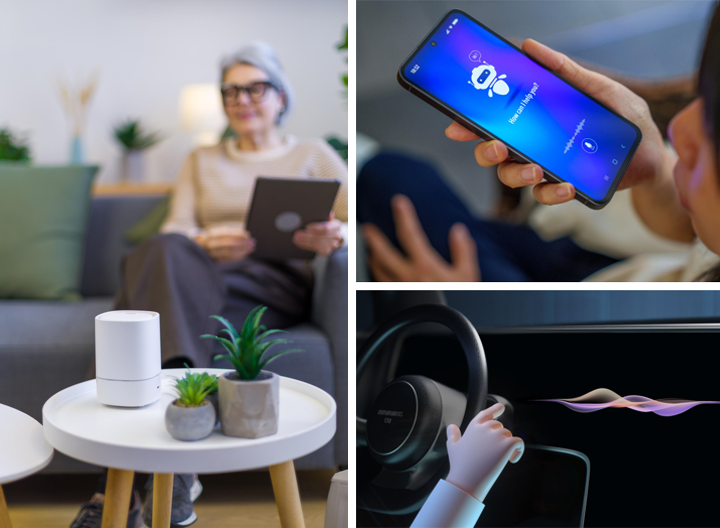
Voice search happens through:
- Smartphones
- Smart speakers
- Car dashboards
- Smart TVs
- Wearables
Your SEO must be mobile-optimized first.
🎯 Advanced Voice Search Strategies for 2026
✔ Create “Conversational Content Clusters”
Build entire blog clusters answering:
- Beginner questions
- Comparison queries
- Pricing questions
- Problem-solving queries
✔ Optimize for “Near Me” Variations
Include:
- City
- Area
- Landmark references
- Service + location pages
✔ Answer Follow-Up Queries
AI assistants ask follow-ups.
Structure content to support deeper contextual queries.
🚀 Voice Search Optimization Framework
For every new page:
- Identify conversational intent
- Create question-based H2s
- Add 40–60 word direct answers
- Implement schema
- Optimize page speed
- Add FAQs
- Strengthen internal linking
📌 Final Voice Search Ranking Checklist
Before publishing, ask:
- Does this page answer spoken questions clearly?
- Is the answer short enough to be read aloud?
- Is the content structured for featured snippets?
- Is it optimized for mobile and speed?
- Does it demonstrate real expertise?
If yes — you’re ready for voice search rankings.